Pullus Pinot Grigio 2012 - Štajerska (Lower Styria)

As Spring approaches, most of us tend to look for wines that are fresh, crisp and aromatic.  Austrian wines are always in higher demand this time of year, Italian whites start being added a bit more to retail and restaurant lists, Dry Rieslings and Rosés begin being asked for.  This year, we want to showcase some different things that we feel will begin to put a spotlight on a small area of the world that deserves it.  

Slovenia is bordered to the north by Austria, to the west by Italy, to the south by Croatia and to the east by Hungary.  Slovenia used to be part of Yugoslavia and wine has been produced here since before Roman times.  So, why don't we know about all of this rich history?  Because for decades until the early 1990's, Slovenia was under communist rule.  Their wines were made under government-controlled cooperatives.  There really was not much produced with a focus for high quality or export.  As Slovenia became independent from their communist rule, innovation in winemaking, vineyard replanting and experimentation brought forth some fast, delicious results.

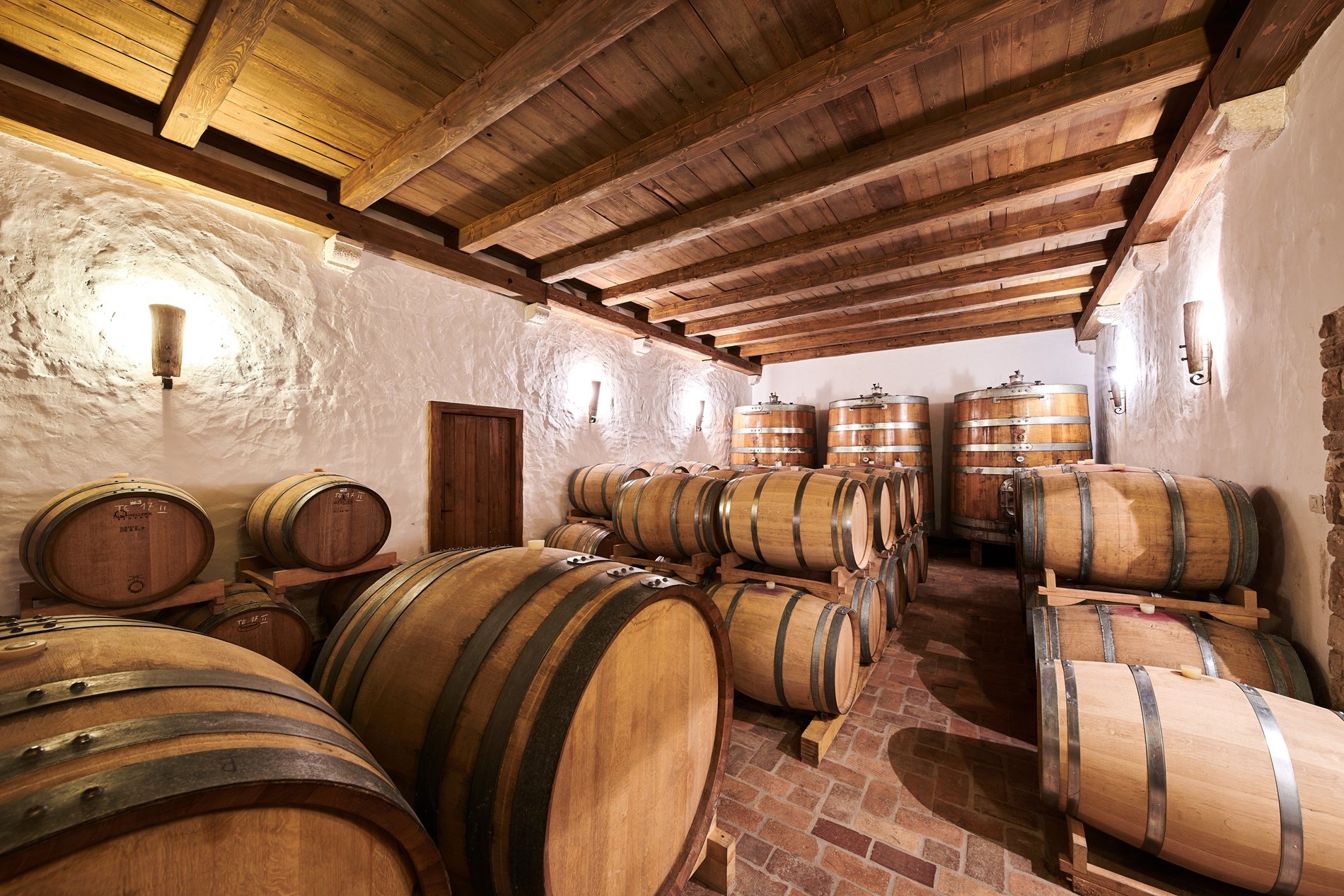
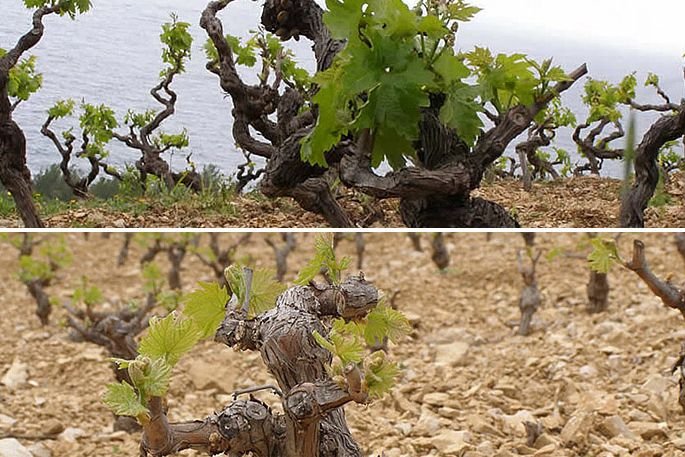
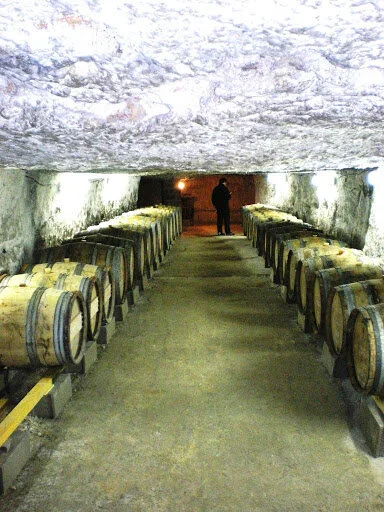
Pullus wines, from Ptujska Klet (Ptuj), combines rich winemaking tradition with modern technology. Ptujska Klet is Slovenia’s oldest winery and located within the city of Ptuj, in the Styria region. Viticulture in Ptuj and the surrounding area dates to 1239, when monks established the St. Francis Monastery and built the first winery there.  As the oldest wine cellar, Ptuj has a wealth of experience, with vineyards extending across some of the world’s most eminent winegrowing locations.  Pullus also claims to have the oldest grape vine in the world (400 years old).

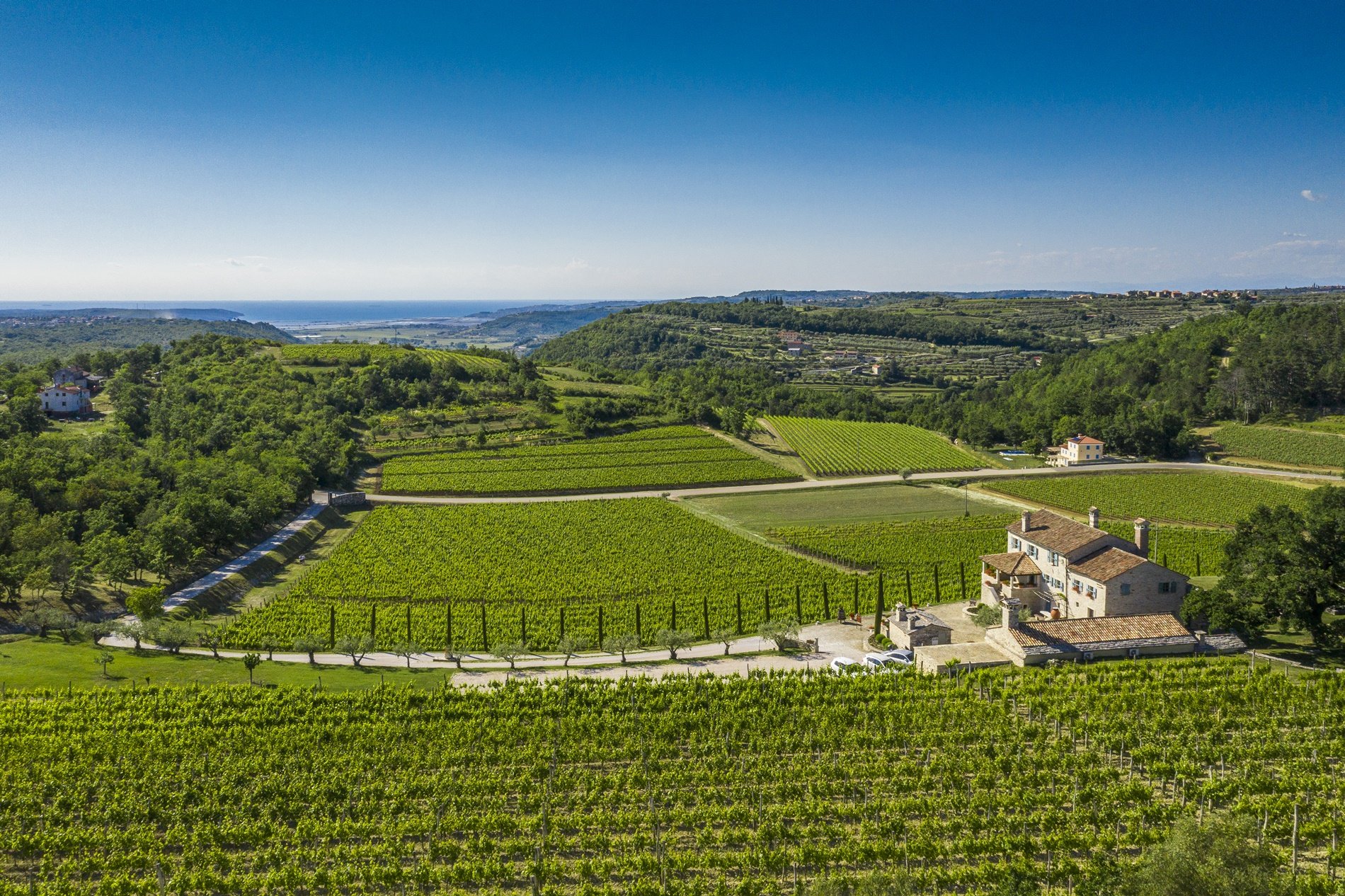
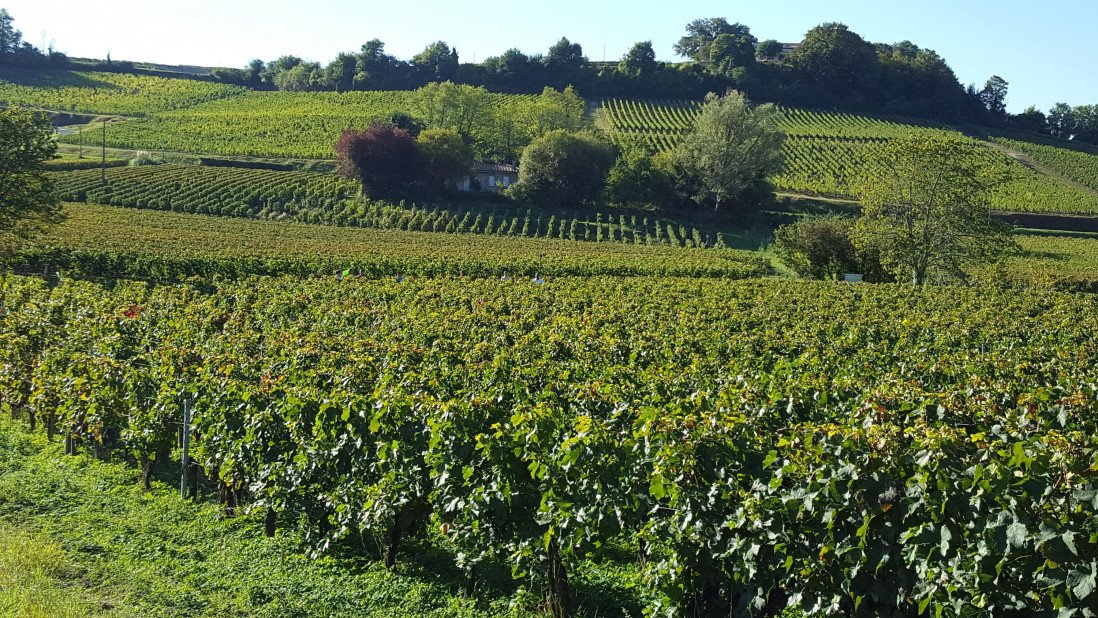
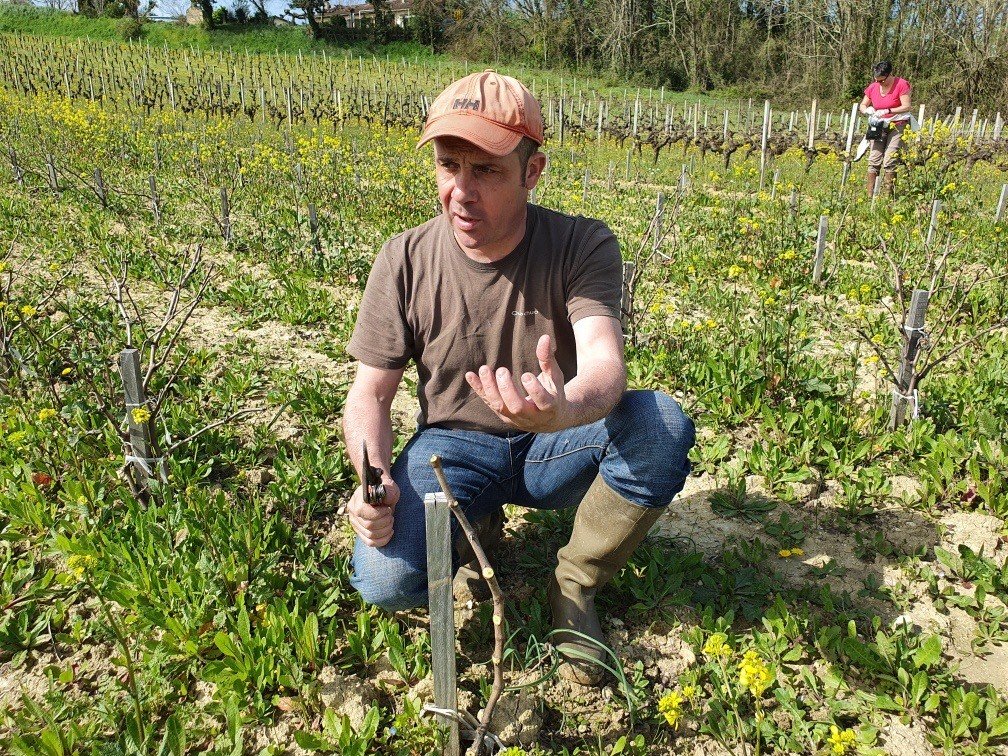
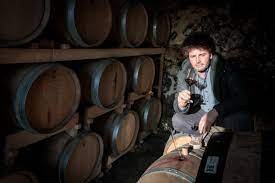
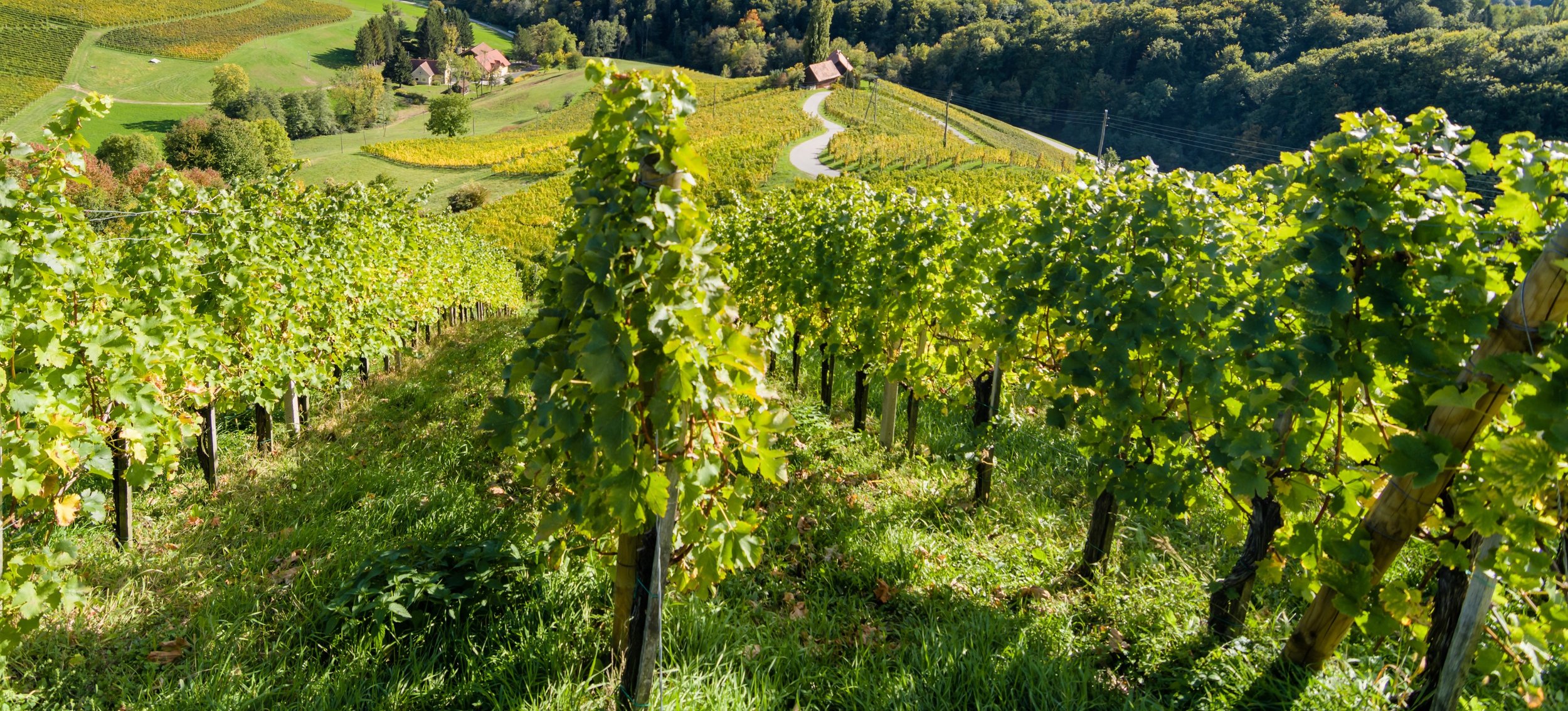
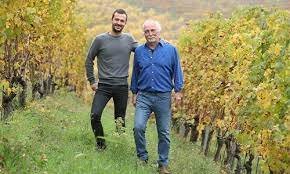
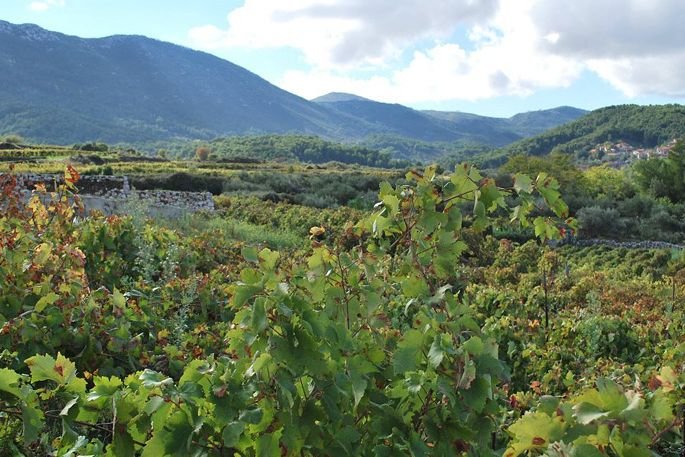
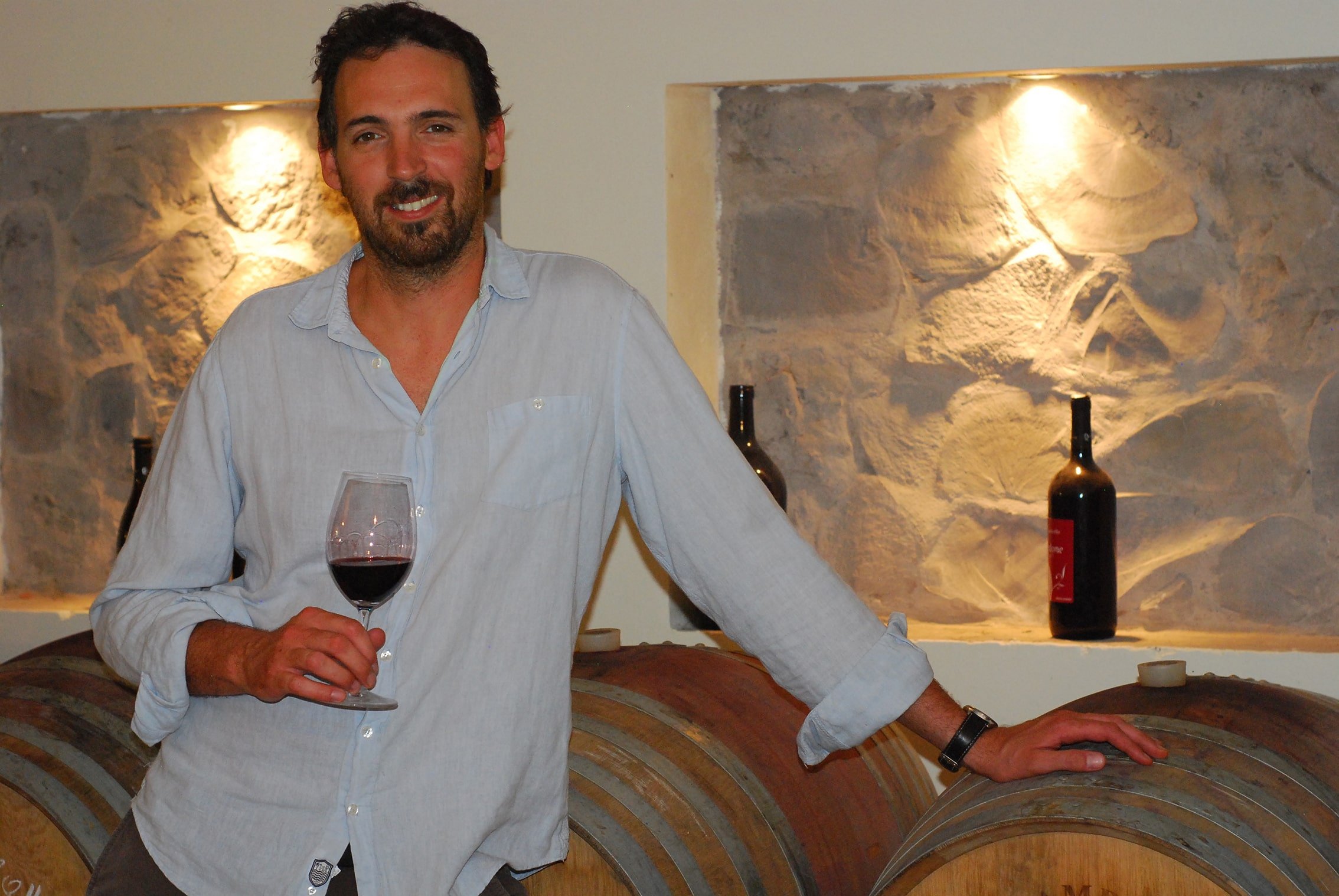
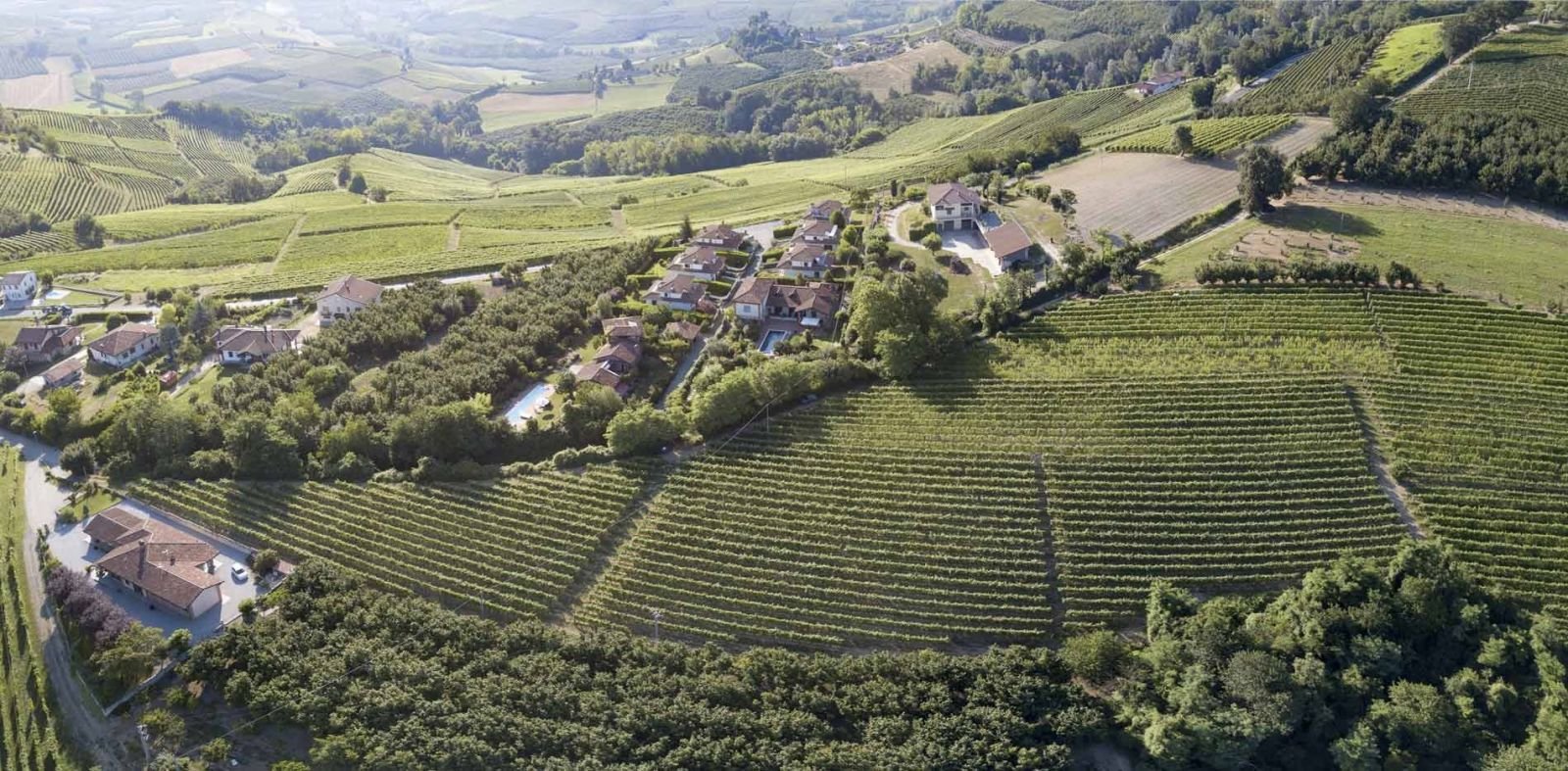
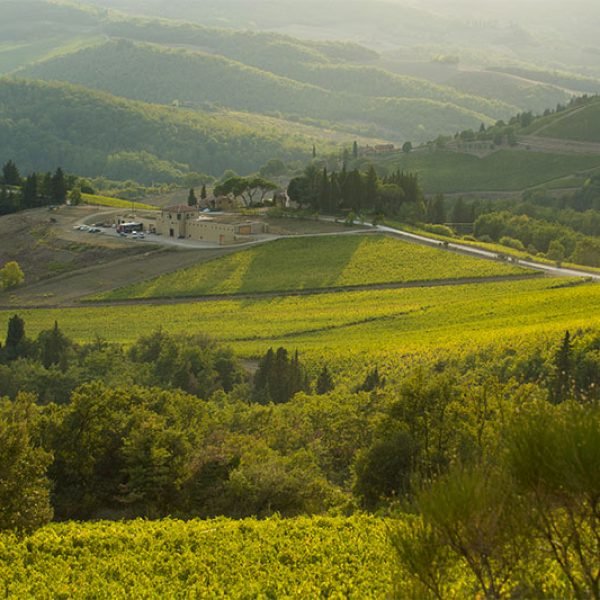
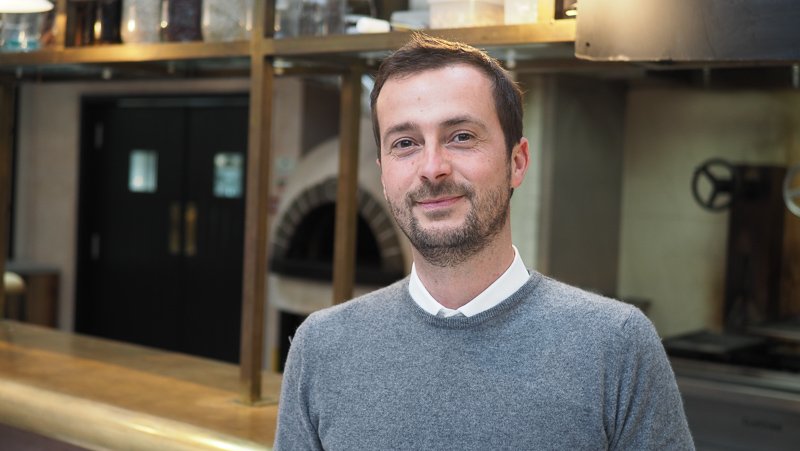
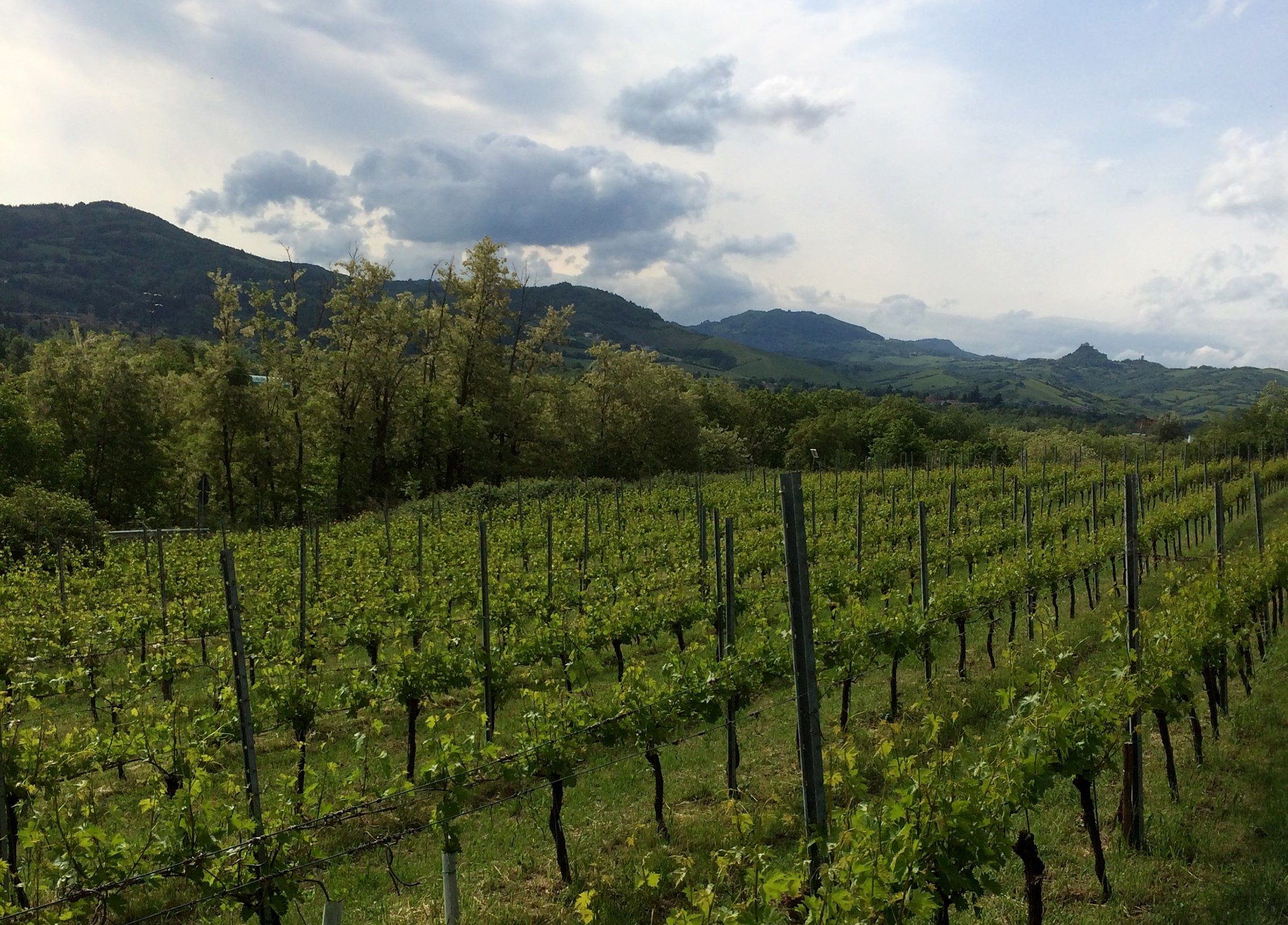
One of the regions in Slovenia is Štajerska, where the terrain is hilly, with marly clay soils.  The climate is continental with cooling influences from the nearby pre-Alps.  Here, at about the 42nd latitude, just south of Austria, the climate and soils are ideal for aromatic white varieties and they make up about 85% of Ptuj Winery’s wines.  Bojan Kobal is the winemaker here.  He is beginning to accumulate quite an international reputation for his wines produced here.  He grows forty different wines with the estate and he employs modern technology, but he also tries to make the wine as natural as possible by limiting the sulfur to a third of the amount traditionally used.  The wines produced are in a clean, fruity style.  Varietals like Traminer, Pinot Grigio, Sauvignon Blanc, Welshriesling, Furmint, Pinot Blanc & Muller Thurgau produced here are outstanding.  

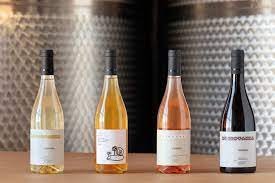
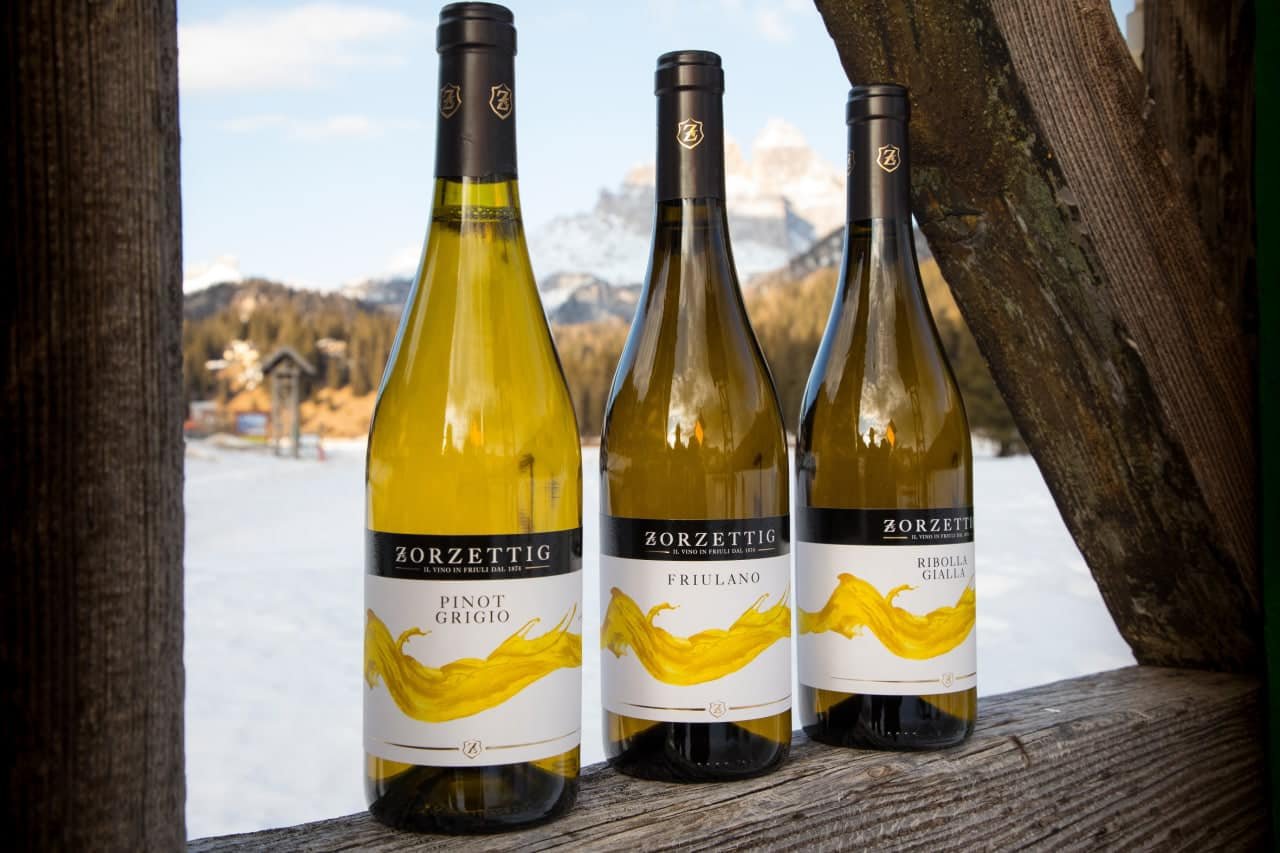
Do not let this Pinot Grigio pass you by.  It has a copper - pink hue, as a result of up to 72 hours of skin contact with this deeper-colored white grape.  5% of the wine is aged in 225 liter oak barrels and there is some lees aging that adds a nice, delicate creaminess to the wine.  The wine is really dry, fresh and has a myriad of pure fruit flavors.  Pinot Grigio this complex and at this price doesn't exist.  Ideal for Spring.  1,000 cases produced.  


1 Comment

Il re dei vini - Renato Corino

Barolo, the king of wines.  When one hears or sees this regal name, they immediately pay attention and rightly so.  It is a wine that many call an intellectual's wine.  There are comparisons to other world class regions such as Burgundy for it's delicacy and Bordeaux for it's ageability.   The name calls for respect for its rich, wonderful history.

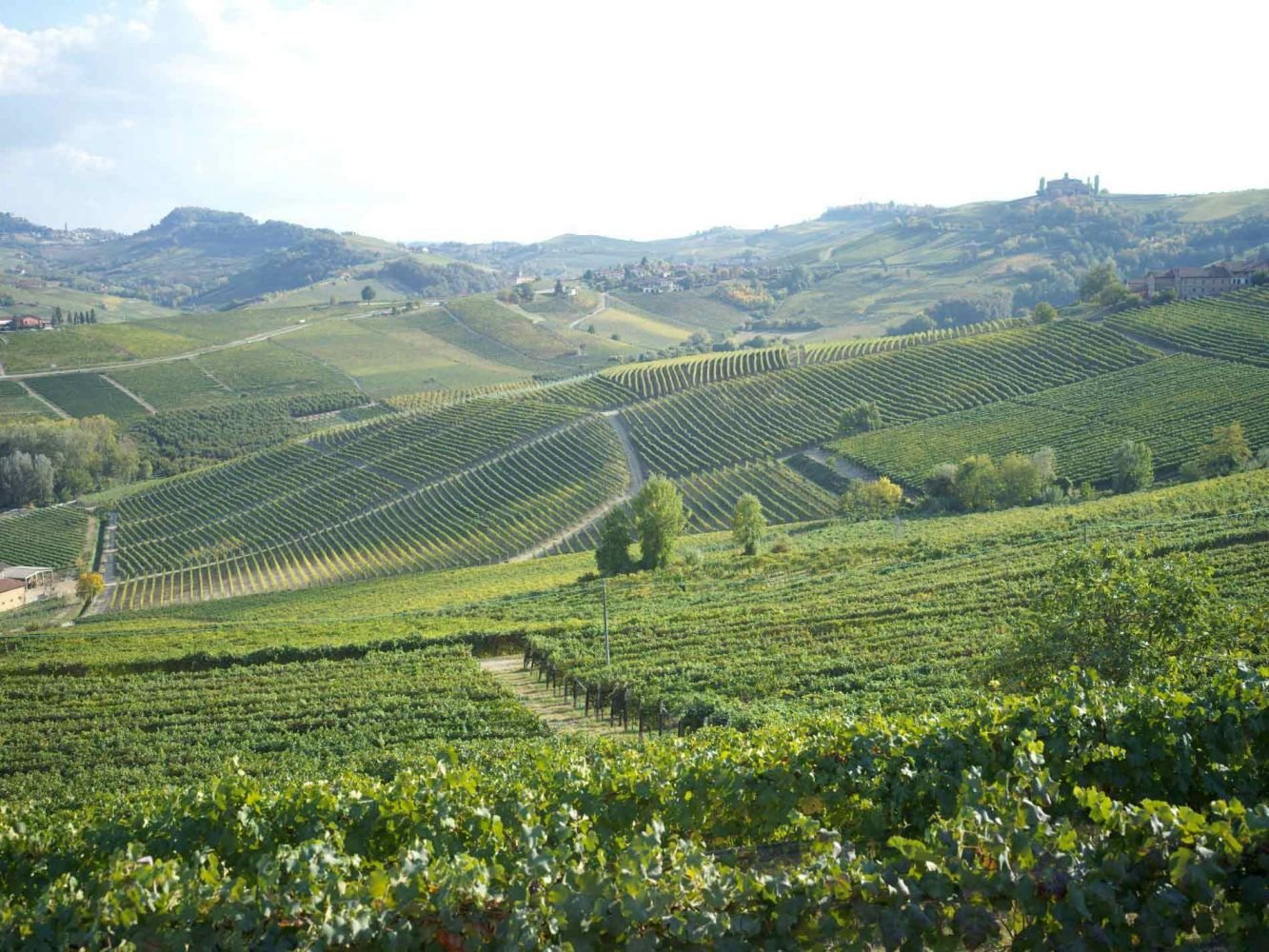
The Barolo DOCG is made up of eleven villages or communes in the Langhe hills, however five only are important.  They are the subzones of La Morra, Serralunga d'Alba, Castiglione Falletto, Monforte d'Alba and Barolo. The soil types divide these communes into two zones, the Central Valley to the east made up of Tortonian soil (this soil creates a more approachable wine with elegance, fragrance and a wonderful, silky texture), and the Serralunga Valley to the west that is comprised of Helvetian soil (this soil creates concentration and a long-lived, powerful wine).

For a little more than two decades, the "Barolo Wars" were in full swing, where traditional producers of Nebbiolo were facing off against modernizing winemakers of the same wine.  Both sides being passionate producers in love with this grape fought for the life force of Barolo.  A lot has been learned from the "Barolo Wars".  A convergence of styles has seemed to quietly transpire and the public is a big winner.  Whether or not the war is still being fought in Piedmont really depends on which Italian producer you ask and what day it is.

Barolos were once produced in a way that focused on Nebbiolo's obvious tannins, the astringent, tactile sensations that give big red wines their form, but that also make them hard to enjoy before they have been in the cellar for some time.  Some Barolos could not be touched for at least a decade or more.  The problem with some of these Barolos was that by the time the tannins rounded out, the color had faded and the majority of the fruit was gone.  

Contemporary producers imported new methods from their neighbors in France where they shortened skin macerations as well as fermentations.  They really wanted to deliver Barolo that was a little more amiable. They guided the wine with secondary fermentations to take the edge off of the Nebbiolo and aged it in small oak barrels, known as barriques, versus traditional large casks.  Most of the changes yielded softer, rounder and deeper flavors in the wine.  Some of the Barolos were overdone and lost a sense of place which fueled the fire for traditionalists.      

One producer and in partiuclar and his legacy that we wanted to boast about is Giovanni Corino.  He moved to La Morra in 1952 and like most at the time, planted fruits and some vines.  He and his wife gave birth to two sons, Renato in 1963 and then Giuliano in 1968.  Giovanni sold all of his fruit to other producers in the area and made a small amount of wine for friends and relatives that he put in demijohns.  During their children's teenage years, they were mentored by their close friend, Elio Altare.  Elio had an impact on them as they began to help their father Giovanni both in the vineyard and in the cellar.  They practiced some of Elio's techniques of cutting fruit to lower yeilds, improving overall quality and using shorter macerations that ultimately led them to bottle under their own label.  During this time their reputation grew quickly and in 2005 the estate was split between the brothers Renato and Giuliano.  Renato developed a new winery 1 km from his fathers estate and a new cellar was constructed where he now farms Barbera, Dolcetto and Nebbiolo in some of the most coveted crus of La Morra:  Rocche dell'Annunziata, Pozzo and Arborina.
The Barolos from Renato Corino defy gravity and are all about finesse.  Renato has worked in La Morra for more than 20 years and it is obvious why he is one of the most respected winemakers there.  He farms meticulously without chemicals or pesticides.  His cellarwork is tireless, his production minsicule.  His 2008's are something we are more than happy to offer in the Carolinas because they are true.  We are sure you will find the same.   

2008 Barolo DOCG

The 2008 Barolo is a beautiful wine laced with dark red cherries, flowers, spices and mint.  The cool, vibrant personality of the year is nicely balanced by the fleshiness of the fruit in this entry-level Barolo.  This is a truly beautiful wine. Corino made the Barolo from three parcels in La Morra, plus a parcel in Serralunga (in Baudana) and aged the wine in French oak barrels, 50% new.  The 2008 is a huge overachiever within its peer group.  It is easily one of the best Baroli readers will find for the money.  Anticipated maturity:  2013-2020.  92 points - Antonio Galloni

Good medium red.  Musky aromas and flavors of red fruits, mocha and truffle.  Sweet, silky and open-knit on entry, showing the fleshy appeal of a 2007, then more gripping on the back half, with sound acidity drawing out the finish.  The wine's firm, slightly edgy tannins will require some patience.  90 points - Stephen Tanzer

2008 Barolo Arborina DOCG

The 2008 Barolo Vigneto Arborina is drop-dead gorgeous.  It is a weightless, gracious wine built on pure elegance and finesse.  Dark red cherries, flowers, mint and spices are some of the many notes that flow from this utterly impeccable Barolo.  The French oak is used masterfully here.  I especially like the way the Arborina turns weightless and understated on the finish.  Anticipated maturity:  2015-2023.  93 points - Antonio Galloni

Good deep red.  Plum, spices, mocha, truffle and earth on the nose, along with some smoky oak.  Supple and sweet, displaying seductive mid-palate silkiness and flesh.  The flavors of truffley underbrush and spices carry through onto the palate.  Finishes with a kick of acidity and very good mineral and floral lift.  91 points - Stephen Tanzer

2008 Barolo Rocche dell'Annunziata

The 2008 Barolo Vigneto Rocche is another stunningly beautiful wine.  Layers of dark red fruit caress the palate in this seamless, totally refined, polished Barolo.  Mint, spices, tar and licorice appear later, adding complexity and nuance.  The oak is a little pronounced at this stage, ever so slightly, but I have little doubt it will come together.  The pedigree of this site comes through most in the way the wine fleshes out on the finish.  There is wonderful depth but no sense of heaviness. Anticipated maturity:  2016-2028.  94 points - Antonio Galloni

Deep red.  Perfumed nose combines red cherry, redcurrant, rose petal and brown spices.  Ripe, sweet and plump in the mouth, with considerable complexity to the harmonious flavors of red fruits and flowers.  At once rich and refined, with a silky texture and a light touch.  Wonderfully enveloping Barolo with an urgent finish featuring extremely suave tannins.  This beauty makes the Arborina seem rustic and dry by comparison.  94 points - Stephen Tanzer    

I wonder about most winedrinkers out there today as to whether they have the patience to wait a decade on a wine to become drinkable.  Do you?  

In the beginning of my affair with Old World wines requiring a bit of cellaring, I began a small cellar off the back of a large distributor's wallet.  I continue to pop a bottle from time to time, but my tastes have changed so much since that time that the wines i once coveted or thought were good are so vastly different to the wines that i truly enjoy today.  It only solidifies to me that there is so much wine and so little time.  With all of the great wine out there, I can maybe wait a few years.  I'm also sort of in agreement with Fabio Fantino who says "We have only one life to drink wine".

 
Comment

Beaujolais Bigots?

Maybe...

Every year as the wind turns cooler, the leaves lose their greenness, the stove warms the house with smells of slow cooker meals and automatically a few of us (bigots) turn to bottles that are the epitome of damn scrumptuous.

Beaujolais’s notable standing was at odds in the last bit of the 20th century as it was more memorable for the marketing success of Beaujolais nouveau than for true quality.  That success was brought upon by Georges Duboeuf who mass markets some inexpensive and super ripe Gamay to Americans the third Wednesday in November every year.

In the last dozen years or so, Beaujolais has come back with a vengeance.  Small producers, focused on quality, have begun laying the framework for a brighter future in Beaujolias.  While building the skeleton, these vignerons have also shown the world that their wines can be far more complex and age-worthy than most originally thought.  Even the Villages level wines today are quadruple the quality that were produced in the 80's. 

There are ten crus of Beajolais that need to be named in order to understand the true Beaujolais; wines with amazing purity and unparalleled value.  These wines are for enjoyment, not to be overanalyzed and they are to be enjoyed with friends, family and a home cooked meal.

Brouilly - Generally lighter and meant for consumption within 3-4 years after release

Régnié - Generally lighter and meant for consumption within 3-4 years after release

Chiroubles - Generally lighter and meant for consumption within 3-4 years after release

Côte de Brouilly - Generally medium in body and some bottle aging of at least a year will benefit

Fleurie - Generally medium in body and some bottle aging of at least a year will benefit

Saint-Amour - Generally medium in body and some bottle aging of at least a year will benefit

Chénas - Typically the fullest bodies of all the crus and meant for aging up to 10 years

Juliénas - Typically the fullest bodies of all the crus and meant for aging up to 10 years

Morgon - Typically the fullest bodies of all the crus and meant for aging up to 10 years

Moulin-à-Vent - Typically the fullest bodies of all the crus and meant for aging up to 10 years

Take a serious look this year at what you are drinking, drive past the Gamay spigot and be a Beaujolais bigot.


Try these favorites from Sour Grapes

Jean-Claude Chanudet (Domaine Chamonard) Beaujolais Villages Cuvée du Chat 2011 

Chateau Cambon 2010

Domaine de Foretal Beaujolais Villages 2011


Comment

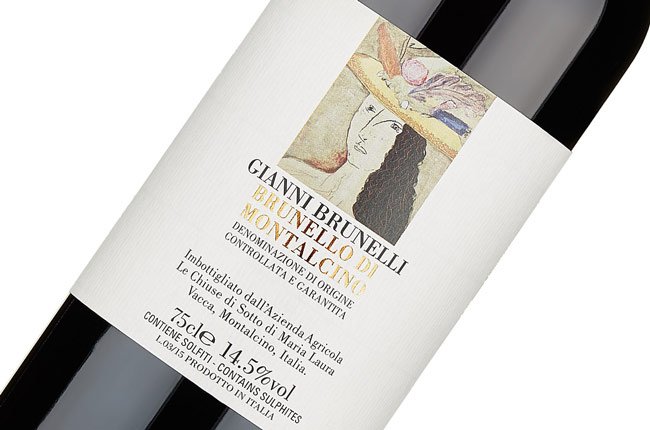
Andrea Cortonesi e Brunello di Montalcino

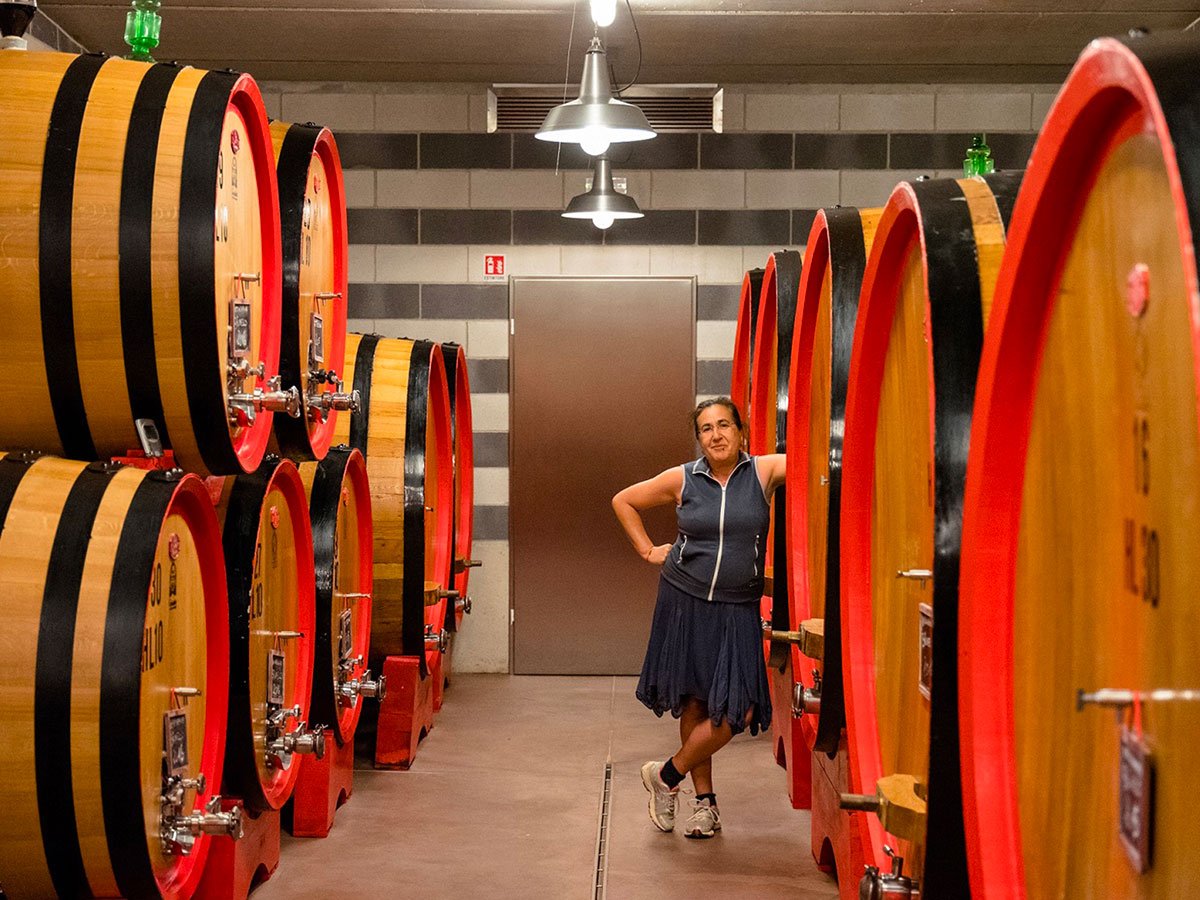
Andrea Cortonesi is undeniably one of the best producers in Montalcino.  He is the owner of the famous Uccelliera estate and now collaborates with a small estate in the northern area of Montalcino called Voliero.  We are more than ecstatic to be able to offer these wines now on the east coast.    

Andrea was born the only son of a farmer and grew up closely assisting his father in the vineyards as a teenager in Montalcino.  When he set out to purchase his own vineyard land to passionately produce Brunello here, he bought a tiny amount of older vines in the Southern part of Montalcino, rich in sand and rock that yield muscular and powerful Brunello.  These vineyards were part of the Ciacci estate which can trace their winemaking lineage in this area as far back as the 17th century.  That was the birth of some amazing Brunello and the beginning of Uccelliera.  

Andrea's new project, Casato 1, has been a huge success.  Casato 1 means "family first" and it is a focus on an elegant, softer or rounder style of Sangiovese grown in the northern part of the zone.  His Trattoria is where he initially decided to sell these wines, but now they are hard to find even there in Siena.  Here the soil is comprised of calcaresous clay and the climate is warmer and drier.  This yields Brunello and Rosso that is complex, softer with rounder fruit, less noticeable tannins and really energizing.  What you will find in these wines immediately is the same level of class you find in his Uccelliera Brunello, but to be honest there is more.  There is added freshness or vibrancy with that quintessential, silken Sangiovese structure.  We can only assume Andrea wanted these elegant wines to be more like the older style of Brunello long before modernization and critics may have influenced a different style of winemaking here.

Brunello di Montalcino, meaning little brown one is one of the most intense, ageable and complex wines in the world.  It is also called Sangioveto, Prugnolo Gentile and Morellino.  According to D.O.C.G rules, a Brunello di Montalcino is always and only 100% Sangiovese.  It must spend a minimum of 2 years in an oak barrel and 4 months (6 months for Riservas) in a bottle before release.  Most producers extend barrel and bottle time.  It is available for purchase 5 years after harvest (6 years for Riservas).

Rosso di Montalcino, or "Baby Brunello" is made from 100% Sangiovese grown in this same region.  The wine is only required to spend six months aging in oak and only 1 year total aging before release.  Why, one might ask?  This allows producers to release an earlier version of Brunello that can create cash flow while their Brunello di Montalcino ages.  Rosso di Montalcino is typically lighter, fresher and more approachable upon release.  These Rosso di Montalcino bottlings are often overlooked and misread.  To be honest, we prefer it that way as it keeps us in good supply.  These "Baby Brunellos" are half the price of an aged Brunello and exhibit tremendous Brunello character.   

Italy obviously makes a lot of wine.  It does lead the world in wine production.  The average annual output of Brunello di Montalcino is tiny with only about 6-6.5 million bottles produced annually.  This is not a lot when you think about the neighboring region of Chianti Classico and what that areas average annual output is.  It is closer to 40 million bottles.  The scarcity of Brunello makes it particularly special. 

Andrea Cortonesi's vigor, Montalcino's ancestry and the enticing qualities of Sangiovese are things that you do not want to miss experiencing.  Bevi!    

1 Comment

Rosé's Allure

I have a lot of wine addictions.  Yes, i admit it.  The first of many steps is acceptance.  One of my addictions is rosé, good dry rosé.  One of the main reasons that I and many others are addicted to this potion is that it is the only wine that can slingshot us into the summer season.  Not another style of wine can differentiate its season like rosé.  It yanks us out of winter hibernation with enticingly vibrant, food-friendly and sun-filled flavors.  To the fiends, dry rosé is foodstuff.  


For a lot of us in our tiny wedge of the world, winter was scant to say the least.  Without having to feel the result of a closing period of the year, rosé was being consumed steadily throughout the year; even in January!  It was odd.  In years past, rosé sales dropped in November and did not return until mid-spring with flowers and gawking turistas.  Rosé queries from both retailers and restaurants in the southeast surfaced this year surprisingly early.  Maybe this recent lack of wintry effect was just what we winos need to persuade ourselves that this exquisite drink can be a year-round companion.


With all of the drier styles of rosé being produced worldwide today, Provence still perseveres to be the metropolis of artisanal, dry rosé wine production.  This 150 mile stretch along the Mediterranean Sea in the southeastern part of France was made famous by artists like Picasso, Cézanne and Matisse.  It is one of the most tranquil places on earth to sink your overtaxed toes in the sand at and chill out with some chilled wine.  Austria, Spain and Italy are also showcasing their ability to make serious examples of dry rosé after seeing the success that Provence has had for the past couple of decades in the global market.  


With the biting acidity of white wine and the substance of a red wine, dry rosé is assuredly versatile as a food wine.  From roasted chicken, bbq salmon, salads, asian dishes and even lobster, rosé offers perfection as a pairing partner.  Try and find something that it doesn't enhance or work well with.  


Today, with the focus of the supply chain of the wine world, rosé can continue to become something more than just the bourgeois drink of the south of France. Commercialized producers will still whisk out volumes of sweet blush to the public, but with continued devotion, producers mimicking the traditional provençale style of making an energizing and drier rosé will continue to aid in its resurrection.  It warrants with ease a rightful place alongside other great wines of the world.  

Comment

The Loire Valley and Chenin Blanc

The Loire Valley is one of the most sacred grape growing regions in the wine world.  It is here in this famous Valley where regal villages like Vouvray, Saumur and Savennières paint their individual expressions of terroir on canvases. They utilize Chenin Blanc as their medium and yield remarkable masterpieces.

This habit-forming varietal derives its name from the sun drenched, southward facing slopes of Mont Chenin located in the Touraine.  In 856 AD the locals of the land thought so fondly of this respected vinifera as to name it after the mountain where it has been growing since ancient times.  Since then, it has become the world's most diverse grape variety.

Chenin Blanc is an alluring and accessible chameleon, combining beaming acidity and luscious fruit at levels of texture and sweetness ranging from bone-dry and steely to lusciously decadent and thirst-quenching bubbles.  It depicts a neutral palate for the expression of vintage, terroir and the winemaker's impact.

When planted in varying soil types within the Loire Valley, it reveals different emotion.  There are a motley of soil types from Schist, Tufa, Sandy-Clay, Gravelly-Clay, etc.  When tended in the town of Saumur, the fruit can turn out to be one of the drier, mineral-driven examples in the market today, showing quince and apples.  In Vouvray, there are a wider range of styles based on levels of sweetness.  Sec (dry), Vin Tendre (off dry), Demi-Sec (semi-sweet), or Moelleux (sweet).  In Savannières, a fuller bodied style that can be very pure with great aging potential.

Due to the grape’s acidity, the concentrated fruits and the solid structure, Chenin Blanc from these villages can stand up to an arsenal of different types of dishes - salty, rich, acidic, sweet, fatty and even spicy.  

Chenin Blanc is an excellent partner to those foods that have a touch of sugar.  When pairing wine with these sweeter foods, the wine’s sweetness has to marry with the sweetness of the food.  Saumur, despite being drier in style, typically has some inherent sweetness in terms of concentrated, ripe fruit.  This is a perfect partner with vinaigrettes, soy sauce, shellfish and especially roasted pork.  Vouvrays that are Demi-Sec or Moelleux are delicious partners for decadent starters such as foie gras or classic desserts like almond cake or summer fruit tart. Savennières can be a mind blowing companion for spicier dishes.  The sweetness of the wine tempers the spicy heat, calming your palate and enabling you to taste more of the other flavors in the dish.  Try it with Thai cuisine, curries, sashimi or Szechuan chicken.  

With such appetizing variety, it is impossible to pick a favorite form of Chenin Blanc represented within the region.  We seriously recommend sampling as much as you can while there is still time. 


Comment

Domaine de Boissan - 3 Rue St Andre 84110 Sablet France

So, the bottom line is that Sour Grapes has a ridiculously good Rhône Valley portfolio.  There is so much value in this diverse Valley of France when compared to some similarly old regions in the world that we feel compelled to show off a little bit.  If you are not spending a lot of time drinking wine from this part of the world, we may change your mind.  We have several producers we are really keen on from the Rhone, but we all migrate to Domaine de Boissan.  The reason being is that we immediately fall head over heels with everything we taste from this Estate.  Their table wine tastes better than other things you see in the market with Côtes du Rhone on the label.

These guys have devoted their lives to producing wine in Sablet, which in my opinion is one of the most important winemaking cities in all of Europe.  It is cherished by the Sabletain, it has always been owned by the people of Sablet.  It doesn't sport a castle, it was untouched by the Plague in the early 1700's and it was here where monsieur Leydier invented the grafting machine that ultimately saved France from becoming one immense, dry country.

The estate was established here in the Southern Rhône in the 1700s.  It is now run by Christian Bonfils, who is the fifth generation of his family to run the estate, and his wife Cathy, who hails from a winemaking family in Pommard, Burgundy.  Their great grandparents would roll over in their graves if they knew someone within their family married into another winemaking family from outside of their own region!  In 1982, Christian inherited the winery and vineyards in and around Sablet from his mother’s family.  And in 1985, he also inherited vineyards from his father’s family, which are located in Gigondas and Vacqueyras.  In addition to the vineyards he has inherited, Christian and Cathy have also acquired additional parcels for the domaine, bringing the total estate to approximately 50 hectares.  

Since Christian and Cathy’s marriage, the estate has taken a more Burgundian approach to their wines and it is obvious.  This is partially Cathy’s influence from her winemaking upbringing in Pommard, but it is also due to the fact that Christian also studied in Burgundy.  Their goal is to preserve the delicacy of the fruit, so that the character of the land, the aromatics of the grapes, and the complexity of the wines are not masked by overripe fruit and excessive alcohol.  They farm organically and biodynamically, depending on the vineyard.  They handpick all of their grapes at harvest.  Further, Christian and Cathy do not blend or manipulate their wines to promote a “house style” of wine.  Rather, they make their cuvées based on what the harvest gives them and the blends change from year to year.  They have been successful at achieving their goals, and Christian and Cathy have quickly gained a reputation for wines that possess both balance and elegance.

The result is a long list of customers that are always in anticipation for more of their wines.  Thirsty?  

Domaine de Boissan is one of the stars of the Southern Rhône, and we are proud to promote these wines at Sour Grapes.  Each one offers an outstanding value, and we are consistently surprised at the quality and complexity we find in each bottle.  Here are a few of the wines that Sour Grapes carries from the Domaine de Boissan: 

Domaine de Boissan Gigondas Vieilles Vignes 2009

This wine is made from the estate’s vineyards in Gigondas, which have vines that are 40-50 years old.  Christian and Cathy use the maximum amount of Grenache allowed in Gigondas — 80% — and the remainder is Syrah.  The wine is aged for approximately twelve months in new oak barrels (25%), second use oak barrels (25%), and enamel coated vats (50%). 

Domaine de Boissan Côtes du Rhône Cuvée des Princes d’Orange 2009

Christian crafts this cuvée, which is composed of Grenache, Syrah, and a small amount Mourvèdre.  The wine is whole-cluster fermented in large 200 year old foudres, and spends about six to eight months in barrel following fermentation.   

Domaine de Boissan vdt Cuvée de Sommelier [2009]

Cathy has been experimenting with natural winemaking, and one of her cuvées is this exciting, pure Grenache with no additional sulfites added after fermentation.  


What does wine mean to you?

Sour Grapes has recently begun sampling a lot of wine sent to us over the past months from suppliers who like us, work themselves into a passion-filled frenzy when discussing their wines or their producers in order to propel them up the ladder rungs for representation.  We sit, we smell, we judge, we look at prices, we discuss importers, their ideals, philosophies, etc. and then we repeat.  Then we talk about the smells, we bore each other with the profiles, packaging, immediate reactions, chat about our judgments, bitch at the prices, jabber about where these wines would fall in the market as far as pricing and we discuss the competition, etc.  We repeat with the next supplier.  We do this obviously because it's a business.  Without discussing any of these vital things, we would go out of business.  The broke, tired owner within me (we will call Sour) wants to flatten the competition by rifling through samples requested after hours of research to find that one wine that will climb to the top of any retail or restaurant group in light speed rewarding our plight.   As a result, we will be considered a serious contender in the trade here.  Everyone will be in awe and immediate, universal respect will be given to Sour Grapes when it's taken out on the street.  Oh and yes, we hope to make a little coinage at the same time.  To be honest, i hate the entire process.  There seems to be two sides of me now.  I'm torn.  The romantic within me (we will call Grapes) feels anyone going through this jive is truly missing what each wine is attempting to tell you about it's heritage, it's odyssey.  The real story is being overlooked by the relentless pursuit to ultimately retire in comfort.  The real story behind every wine is where its roots began.  Where those roots began producing buds and what family began to cultivate it in the place they chose.  What farming techniques and winemaking traditions have been passed down and what makes each of those secrets special are evident in each and every wine.  I'm torn.  Finally, I ask myself what wine really means to me these days?  It is obviously becoming a lot more complex.

"A wine of terroir is by nature, an ultimately indefinable, unquantifiable agent of memory. This is a curse for relentless rationalists, unrepentant pragmatists, and all the busy codifiers of this world, anxious for absolutes. And a blessing for the rest of us."

Philosophically speaking... 


-Jonathan Nossiter in his book "Liquid Memory - Why Wine Matters".

Comment

Wines for Winter Weather

Now that the weather has turned cooler, we have changed both our wardrobe and our cuisine.  Why not change what we drink as well?

In the summertime, crisp white wines and light rosés are refreshing and the way to stay cool in the heat.  But as temperatures drop, many people start to crave more red wines to help them warm up.  A rich, red wine can do just as much to counter the winter weather as your favorite sweater.  Spicy reds, such as a Grenache-based wine from the Côtes du Rhône or an Austrian Blaufränkisch, are also a great way to stay warm in the winter.  Some richer white wines that see some oak ageing can have a spicy element that is a great match for the colder weather.  Excellent examples of these to try are Chardonnays from Burgundy or California.

Our cuisine has simultaneously changed going into this time of year as well.  Gone are the light salads, fresh fruits, and delicate dishes.  Now, most of our dishes are heartier and denser:  rich stews and soups, braised meats, roasted root vegetables and winter squashes.  As our meals change, the style of wine that will complement these dishes changes as well.  The brisk, dry Sauvignon Blanc that paired so well with the late summer salad with goat cheese and tomatoes is no match for a hearty beef stew.  Richer dishes call for richer and fuller-bodied wines.  While the hearty beef stew would be overpowering for a light Sauvignon Blanc, it would be perfectly complemented by a rustic red wine from the Languedoc or the Southern Rhône.  According to Matt Fern, wine buyer at Poole’s Diner, in the winter “I think of braised dishes, like lamb braised in red wine with root vegetables and hearty herbs such as rosemary.  This dish is perfect with red wines from Italy’s Piemonte region, which produces rich, earthy reds with an elegant balance of fruit, acidity, and tannins.”  Similarly, other braised meats, such as pork or beef, are natural partners with a rich, Spanish Tempranillo or a spicy Syrah from the Northern Rhône. 

And while winter cuisine calls for richer wines, that doesn’t automatically rule out white wines.  There are many concentrated whites that will partner well with the season’s dishes.  Pair the sweetness of roasted carrots and butternut squash with a fruit-forward Alsatian white, such as Riesling or Pinot Gris, or a floral Godello from Northwestern Spain. 

Comment

Can you say Gemischter?

Viennese Gemischter Satz awarded Slow Food Foundation’s Ark of Taste

Viennese specialty wine the Gemischter Satz – a special blend – has been admitted to the international Slow Food Foundation’s Ark of Taste.

The Italy-based Slow Food Foundation for the promotion of biodiversity has included the Viennese Gemischter Satz in its Ark of Taste, also making it one of its Presidia products. Only 300 products worldwide have been honored with this award. It is intended to protect high-quality and traditionally produced foods for future generations in the face of industrialized agriculture and big business. The Viennese specialty wine and the fruit of the Lower Austrian Wiesenwienerwald Chequer Tree are Austria’s first Presidia products.
The Slow Food movement was founded in Italy as a lobby for good taste, the preservation of culinary heritage, sustainable farming methods and safeguarding biodiversity. Today it has more than 100,000 members in 153 countries.

The Wines of Sicily, Mount Etna & Frank Cornelisson

Sour Grapes Fall 2011 Availability

Rosso del Contadino No. 8
Munjebel Bianco No. 6
Munjebel Rosso No. 6
Munjebel Rosso No. 6 1500L
Magma Rosso No. 8

Please inquire about individual availability and pricing as these wines are the epitome of small production, hand crafted wines and we apologize for the inability to fill any order in advance.

Weingut Jean Stodden

Jean Stodden is one of the top producers of Pinot Noir in the world.  To say that the Ahr Valley is a unique habitat for growing grapes is an understatement.  I'm positive this is definitely one of the most (if not the most) unique places for growing Pinot Noir in the world.  This is Germany’s northernmost wine region.  At 560 hectares (1,250 acres), it is also one of the smallest.  Jean Stodden has 6.5 Has of vineyards in Rech split among three mountain vineyards: Recher Herrenberg, Dernauer Hardtberg and Ahrweiler Rosenthal.  These vines are amongst the most northern in Germany and all the vines are perched precariously on extremely steep slopes composed of mostly slate that can only be tended to by hand; a few solitary parcels require mountain climbing skills to be reached.  The soil is ideal as it retains heat well that's obviously important to this overparticular varietal.  The Ahr river and the Eifel mountain range create the warm yet moderate microclimate ideal for producing top shelf Pinot Noir.  Due to the Nordic location, the days during the growing season are immensely long, but the intensity of the sun is less than that of France’s Burgundy region. The result?  Uniform warmth throughout the long days with cool nights that Pinot Noir flourishes in.  Jean Stodden does not seem to compare the Ahr to Burgundy, he only wants to make wines that showcase the terroir of the region.  Only 5-6% of his wines are exported outside of Germany.  Sour Grapes is fortunate to sell some impressive German Pinot Noirs from all over Germany including the Pfalz, Rheingau & Baden regions and is now happy to offer these as well.

JEAN STODDEN PINOT NOIR 2010

JEAN STODDEN PINOT NOIR “J” 2009

JEAN STODDEN PINOT NOIR RECHER HERRENBERG 2008

Comment